
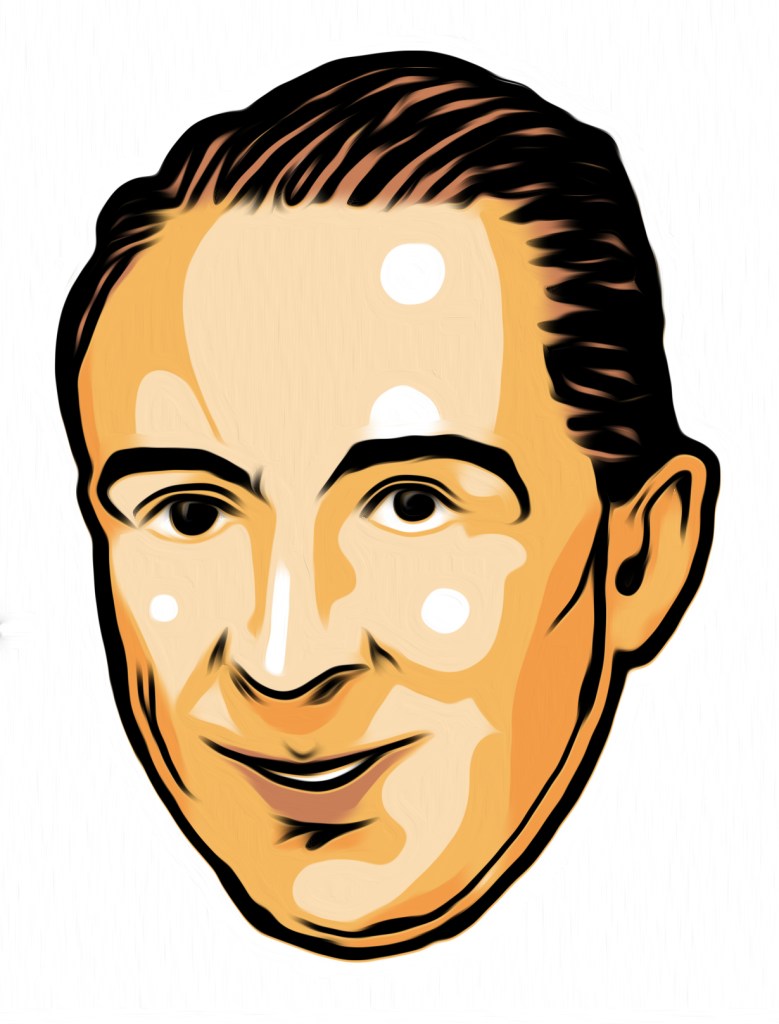
Michel (Miguel) Ramos
(CHEFS D’ORCHESTRES / Piano)
15 Rue Burq, 75018 Paris, France
Miguel Ramos was a Spanish organist and arranger who rose to prominence in Paris under the name Michel Ramos (and sometimes with the pseudonym Virginie Morgan). During the Spanish civil war he moved to France, where he lived in exile until the late 1960s. In Paris he learnt his craft at L’Aiglon cabaret. It wasn’t long before he established himself in the orchestras led by Tony Murena, Richard Blareau. Bernard Hilda, Armand Bernard, Artur Briggs, Franc Pourcel, Georges Jouvin, and Aimable. When he returned to Spain he took control of the Spanish label Hispavox, becoming its main arranger.
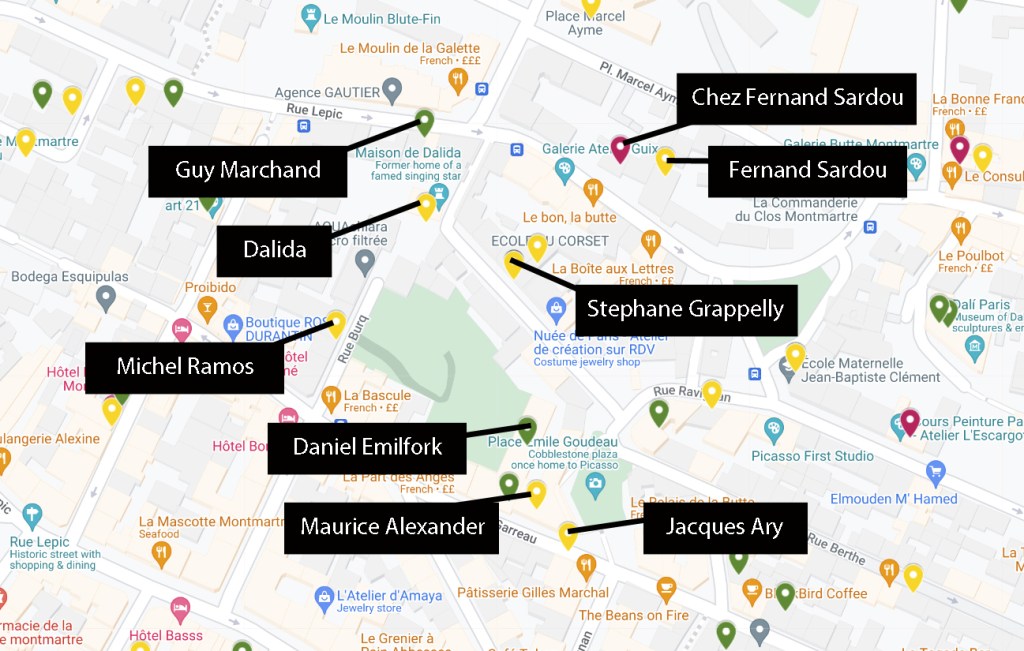
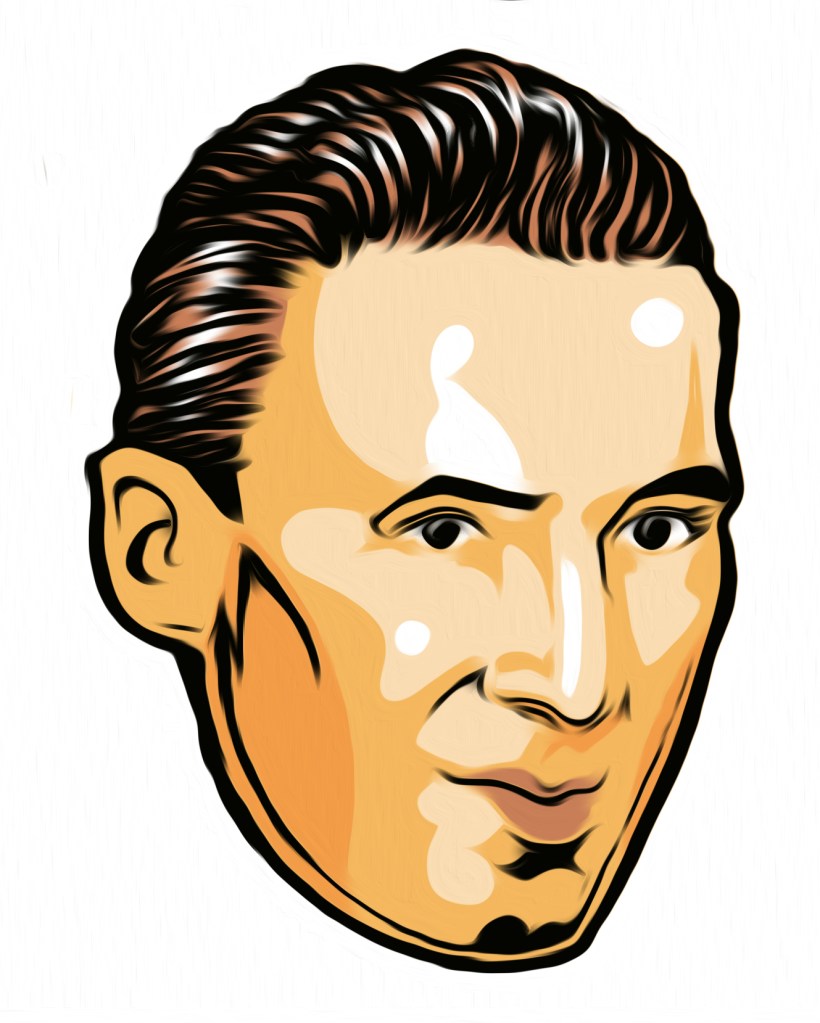
Maurice Alexander
(Accordeon)
2 Rue Garreau, 75018 Paris, France
Born in Paris, Maurice Alexander was an accordionist, composer and conductor. He was a prolific recording artist, releasing a large number of 78s on the Columbia and Parlophone labels. Alongside his discs, the sheet music salesman also did a brisk trade, his compositions include, among others, Under the roofs of Paris (1930), After love (1931), A bad boy (1936). Alexander was the accompanying accordion (with Jean Vaissade and Victor Marceau) on Django Reinhardt’s first recording session.
Jacques Ary
(CHEFS D’ORCHESTRES)
1 Rue Garreau, 75018 Paris, France
Parisian bandleader Jacques Ary led a 19 piece dance orchestra, specialising in tango and American jazz of its day. He won the Championnat de France de Jazz in 1945. Ary’s orchestra accompanied the Queen of the Music-Hall, Mistinguett, toward the end of her career. Not to be confused with Jack Ary (sometimes also Jacques Ary), the French actor and screenwriter.
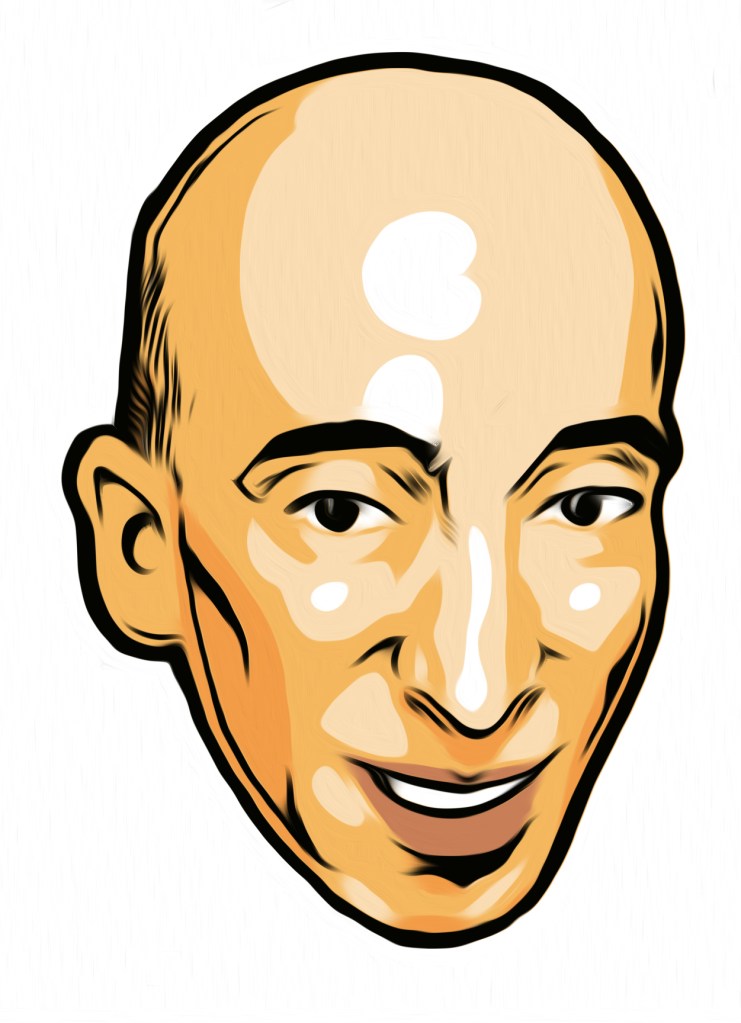
Daniel Emilfork
(COMEDIENS)
13 Pl. Emile Goudeau, 75018 Paris, France
Chilean actor Daniel Emilfork specialised in playing villains during his 50 year career in the film industry. His distinctive face made him a recognisable moody presence in films such as The City of Lost Children (1995), The Devil’s Nightmare (1971), Fellini’s Casanova (1976), and in Roman Polanski’s Pirates (1986). Beyond mainstream films he was able to expand his repertoire when working in theatre, radio, TV and even experimental cinema. He was the manager of Patrice Chéreau’s drama school at the Théâtre des Amandiers.
See an object related to Daniel Emilfork HERE.
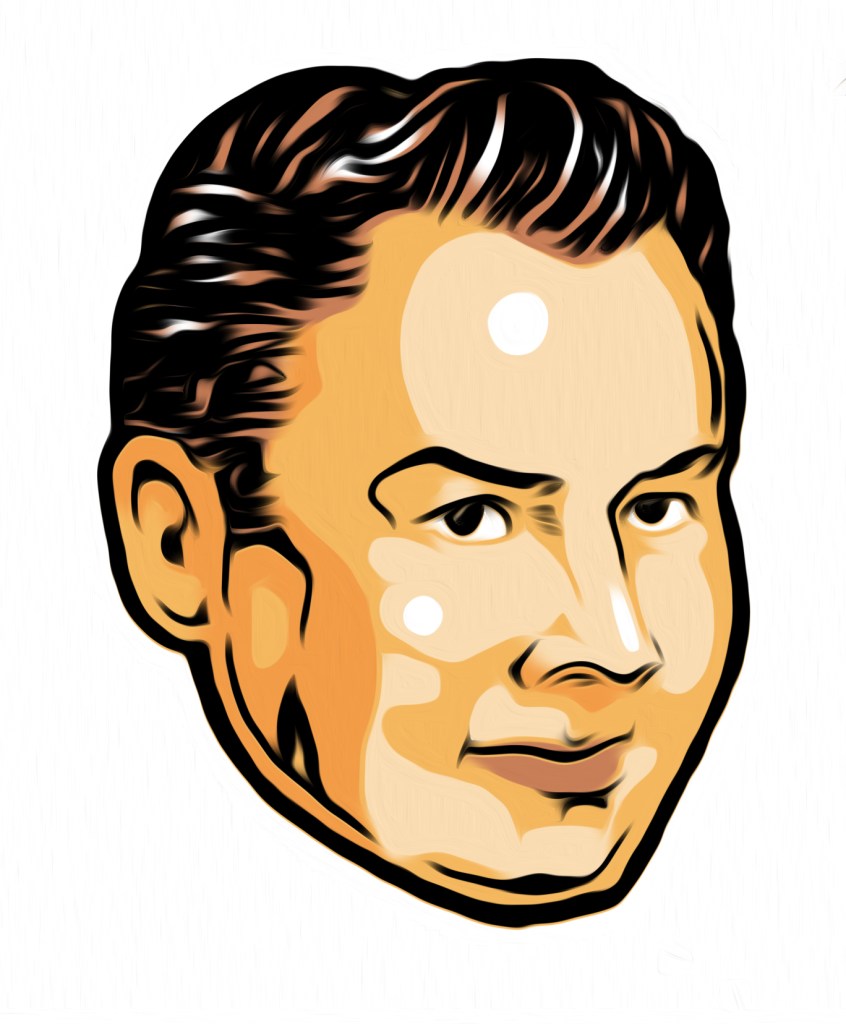
Stephane Grappelly
(CHEFS D’ORCHESTRES)
10 Rue d’Orchampt, 75018 Paris, France
Stéphane Grappelli (1908-1997) was a French jazz violinist. He is best known as a founder of the Quintette du Hot Club de France with guitarist Django Reinhardt. It was one of the first all-string jazz bands. He has been called “the grandfather of jazz violinists” and continued playing concerts around the world well into his eighties. For the first three decades of his career, he was billed using a gallicised spelling of his last name, Grappelly, reverting to Grappelli in 1969.
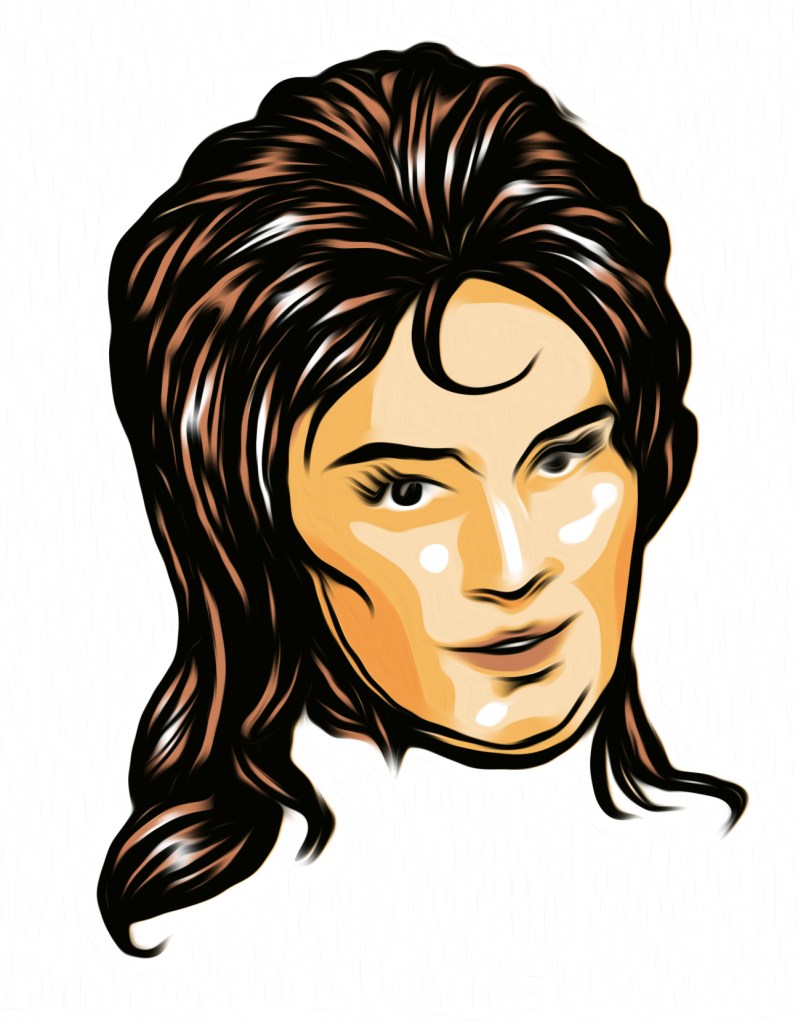
Dalida
(CHANTEURS ET CHANTEUSES)
11bis Rue d’Orchampt, 75018 Paris, France
Dalida (real name Iolanda Cristina Gigliotti) was an Italian-French singer and actress, born in Egypt. She was one of the biggest non-English-language stars globally and had a huge impact on French society. She packed out venues across the world and sold records in massive numbers. In 1967 she tried to take her own life after the suicide of her lover, the Italian singer and actor Luigi Tenco. She continued to suffer bouts of depression and finally committed suicide in 1987. Dalida is buried at the Cimetière de Montmartre. There is a square in Montmartre named after her (with a statue too) and also a Rue Dalida in Laval, Quebec, Canada. My favourite Dalida song is the duet “Paroles, paroles”, which she sang with her long time friend Alain Delon.
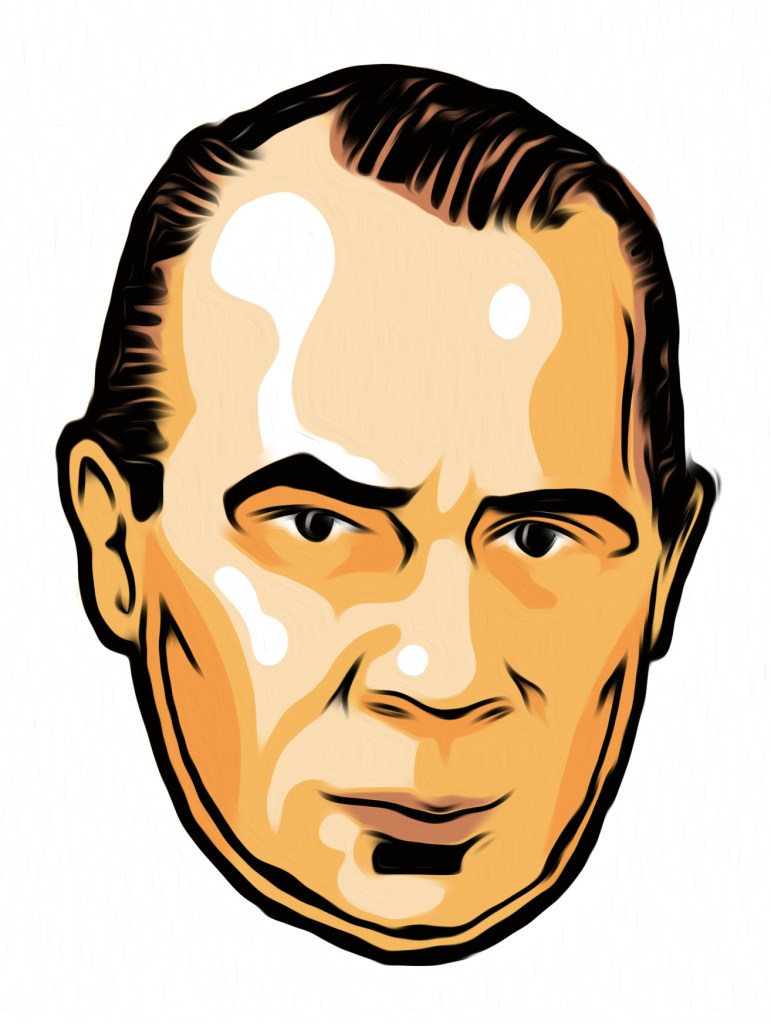
Guy Marchand
(CHANTEURS ET CHANTEUSES)
98 Rue Lepic, 75018 Paris, France
Born in Paris, Guy Marchand is an actor, singer and musician (he plays the piano, saxophone and clarinet). In his youth he studied at the Lycée Voltaire by day, and he played clarinet in the clubs of Saint-Germain-des-Prés by night. He served with the French Foreign Legion before starting an impressive singing career in the mid 1960s, about the same time he lived here. His memorable roles include, on the TV, the tough detective Nestor Burma (created by French crime novelist Léo Malet) and in the cinema, his appearance alongside Lino Ventura and Brigitte Bardot in Robert Enrico’s Boulevard du Rhum. As well as being an expert parachutist, Marchand is a boxer, horse rider, polo player, and rally car driver.
Chez Fernand Sardou
(CABARETS)
93 Rue Lepic, 75018 Paris, France
On 7th September, 1960, Fernand Sardou opened his own cabaret in rue Lepic, on the site of the former Belzébuth. It was a rocky start but with his son Michel working as a waiter the family transformed the cabaret into a roaring success. It wasn’t to last, and the cabaret closed around 1965.
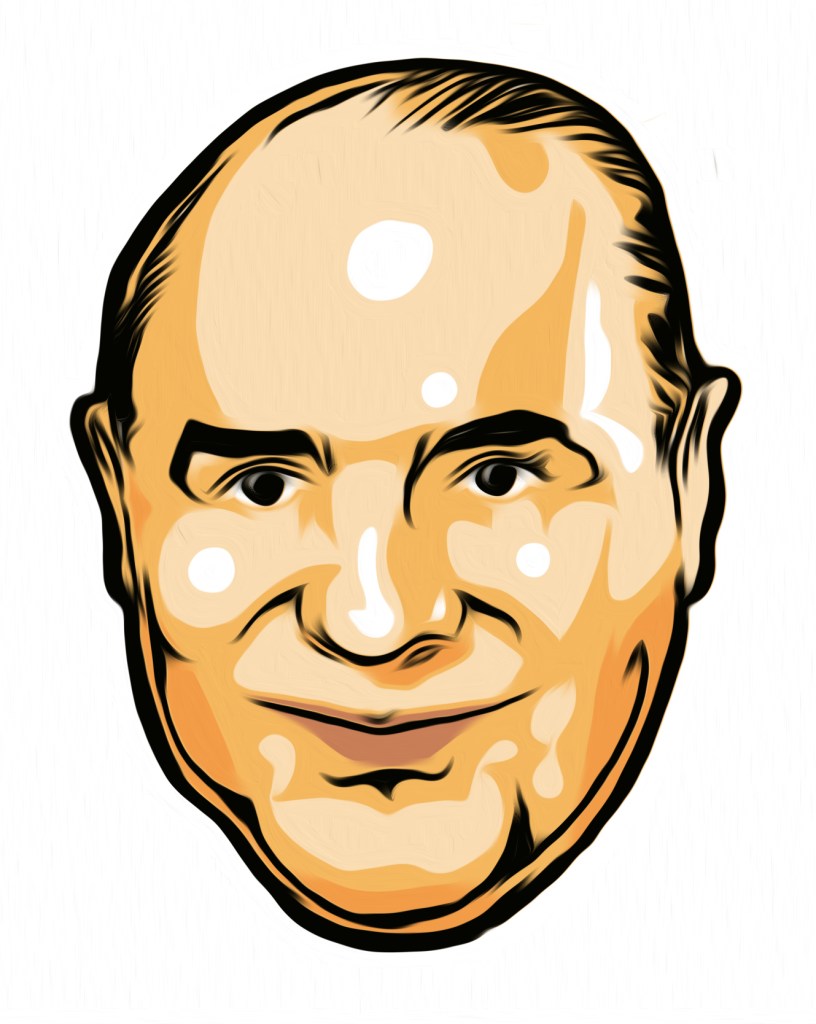
Fernand Sardou
(COMÉDIENS)
93 Rue Lepic, 75018 Paris, France
Born into show business Fernand Sardou (1910-1976) was a French singer and actor whose father (Valentin) and mother (known as Sardounette) performed with café-concert singer Félix Mayol. In 1946, Fernand Sardou enjoyed his first major success at the Alhambra theatre in Paris, on the same bill as Édith Piaf. He starred in over 70 TV and cinema films, and in 1965 appeared alongside Daniel Emilfork in Etienne Périer’s film Dis-moi qui tuer. He died of a heart attack backstage at the Toulon municipal theatre. His son is singer Michel Sardou (who lived nearby in Rue Chappe).


One response to “Walk 11 – Dalida”
[…] Find this object on 18th Arrondissment Walk 11 – Dalida […]
LikeLike