
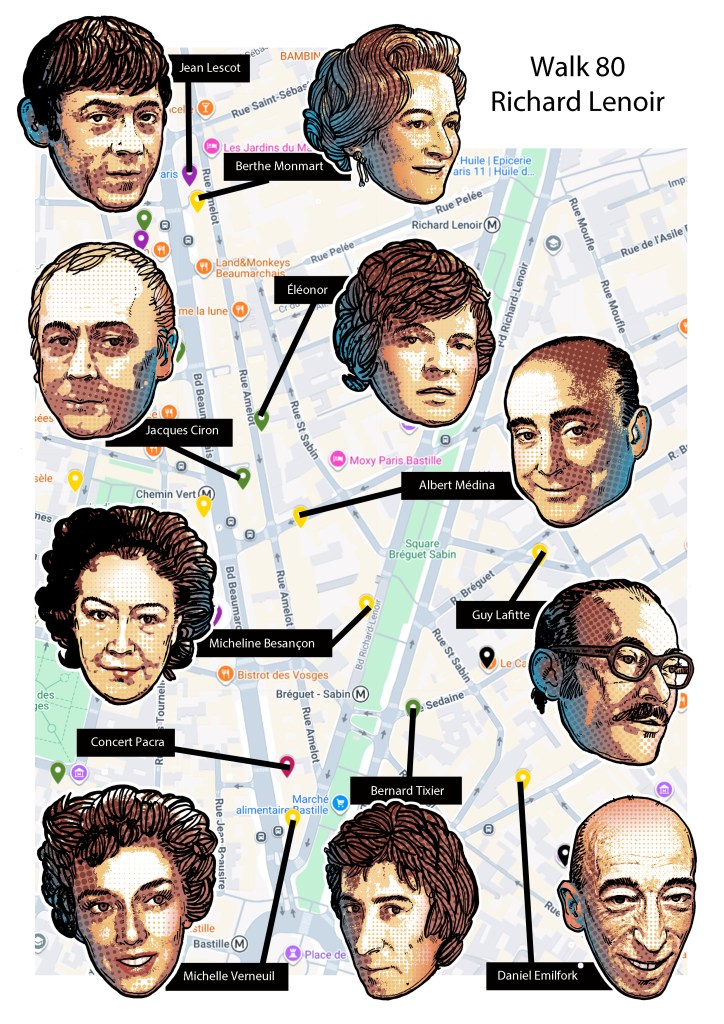
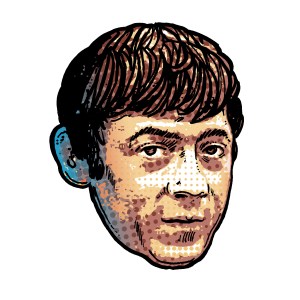
Jean Lescot (COMEDIENS)
96 Bd Beaumarchais, 75011 Paris, France
Although Jean Lescot played over 100 roles in TV and Film, it’s his exceptional career as a voiceover artist that lives long in the memory. One of his most memorable assignments, with its distinctive syntax, was the French voice of Yoda in episodes I, II, and III of the Star Wars prequels. That wasn’t the only blockbuster he pops up in, Lescot was the voice of Argus Filch in five Harry Potter films and dubbed a whole host of actors including Ben Kingsley, Mel Brooks, Alan Alda, Billy Bob Thornton, and Jack Lemmon. In front of the camera he made his debut in Claude Lelouch’s 1964 film La Femme spectacle, but started on the stage six years earlier at the Théâtre du Vieux-Colombier. He was a regular face on TV during the 1960s, appearing multiple times in the series Café du square and the legendary Les cinq dernières minutes.
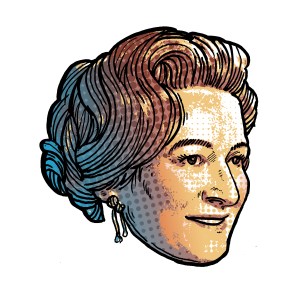
Berthe Monmart (ARTISTES LYRIQUES)
94 Bd Beaumarchais, 75011 Paris, France
Born in Belgium, opera singer Berthe Monmart won first prizes for singing, opera and opéra-comique at the the Paris Conservatoire in the 1940s. She made her stage debut as Santuzza (Cavalleria Rusticana) at Reims in 1949, and it wasn’t long before she made her début as Gerhilde (Die Walküre) at the Paris Opéra. A woman of many firsts, she took part in the French premières of Schoenberg’s Erwartung, Britten’s The Rape of Lucretia and von Einem’s Der Besuch der alten Dame. She made her final stage appearance in 1980 and then taught at the Toulouse Conservatoire.
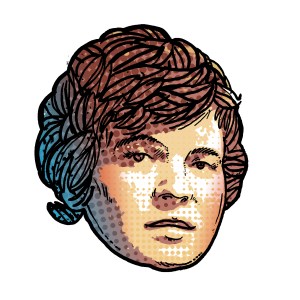
Éléonor (CHANTEURS ET CHANTEUSES)
34 Rue Amelot, 75011 Paris, France
Éléonor was one of many obscure French singer & songwriters who arrived and then departed the volatile 1960s scene in the blink of an eye. It was not an uncommon tactic of the Barclay label to speculatively release a number of records from female singers at the same time, and to see which appealed most to the rapidly evolving market. Éléonor’s real name was probably Anne Saray and she lived here from 1967 to 1969.
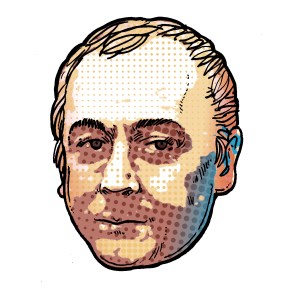
Jacques Ciron – COMEDIENS
54 Bd Beaumarchais, 75011 Paris, France
Despite failing the entrance exam to the Paris Conservatoire, actor Jacques Ciron rose through the ranks to enjoy a long career in theatre, television and cinema. Ciron caught his big break aged 25 when he won the Comedy Prize at the Etoile 53 Competition. Voted by a jury of Parisian critics and playwrights in 1953, it wasn’t just the 50,000 francs that helped a struggling actor but the media exposure that helped his fledgling career. His rejection from the Conservatoire didn’t hold back his studies, he found a champion in teacher Andrée Bauer-Thérond, who also guided Françoise Arnoul and Anouk Aimée in the dramatic arts. He went on to appear in over 100 TV shows and films during a 60 year career. A very popular supporting actor, he was a regular on the TV programme Au théâtre ce soir (1966-1979). Like his neighbour, Jean Lescot, he was a prolific dubbing actor. Ciron dubbed the French voice of Alfred in Batman (1989), Batman Returns (1992), Batman Forever (1995), Batman and Robin (1997), and many of the animated Batman adventures too.
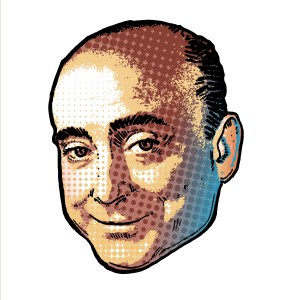
Albert Médina (COMÉDIENS)
4 Rue du Chemin Vert, 75011 Paris, France
The early career of actor Albert Médina was defined by his relationship with director Jean-Louis Barrault, who he worked with at the Théâtre Marigny in the late 1940s. Inspired by the master, Médina would lead his own troupe in the early 1950s, and yet despite critical success he would return to acting in the theatre, TV and film. It was a loss to the theatre, as his productions were admired for their fervour and exploratory ardour, particularly a staging of Les Fourberies de Scapin before a working-class audience at the Théâtre de Babylone. Perhaps the most memorable moment of his directorial career was his staging of The Electra of Sophocles on a flatbed lorry outside a church in Saint-Germain-des-Pres. It is a great example of Albert Médina’s creativity and adventurous spirit as a director and actor.
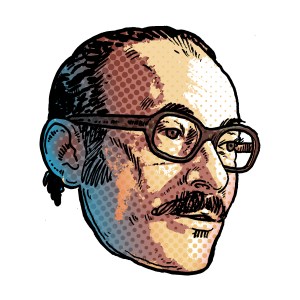
Guy Lafitte (CHEFS D’ORCHESTRES)
14 Rue Boulle, 75011 Paris, France
Guy Lafitte began life as a clarinettist in Romani music bands in Southwest France. He moved to Paris, traded his clarinet for a tenor saxophone, and joined the band supporting blues singer Big Bill Broonzy. In 1952 Lafitte joined the band of the trumpeter Bill Coleman, and would remain with him for nearly thirty years. In Paris he regularly worked with American vibraphonist Lionel Hampton and trumpeter Emmett Berry. He performed in Duke Ellington’s band for the soundtrack of the 1961 film Paris Blues, and it is his saxophone you hear when actor Sidney Poitier is playing in the film. In the 1970s he was a regular performer at jazz festivals, and was made honorary president of the Jazz in Marciac festival with Bill Coleman.
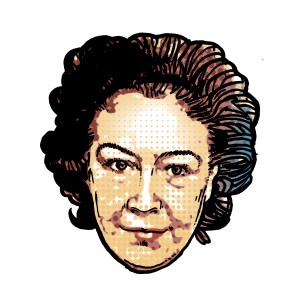
Micheline Besançon/Bezançon (COMÉDIENNES)
17 Bd Richard-Lenoir, 75011 Paris, France
Actress Micheline Bezançon (sometimes known as Micheline Besançon) made her debut on the stages of liberated Paris after WW2. She stood out at a young age amongst the actors of the Nef troupe (a young Parisian group) in Yves Jedvable’s La Dernière Marche du trône at the Théâtre Moncey. Bezançon would go on to join Roger Iglésis’s theatre company and again caught the critics eye in Michel de Ghelderode’s mystery play, Mademoiselle Jaïre, where she contributed to “one of the most beautiful choral interventions ever seen”. She had a fine voice, even appearing at the concert for the Comite d’aide aux peuples coloniaux, singing the repertoire of Aristide Bruant. In the 1960s she expanded her career with appearances in films and television, appearing in this website’s favourite series, Les Cinq Dernières Minutes.
Bernard Tixier – COMEDIENS
4 Rue Sedaine, 75011 Paris, France
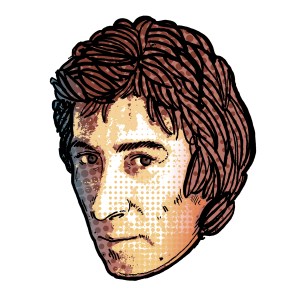
Born and bred in the 11th arrondissement, actor Bernard Tixier was a graduate of the Conservatoire national supérieur d’art dramatique. From high to low brow, Tixier was an actor for all seasons. In the 1960s he made his theatre debut scaling the cultural heights of Molière with the Comédie-Française, but by the 1970s was working on the French erotic film La Bonzesse. Filmed during the presidency of Georges Pompidou, the film was banned by the censors due to its political allusions and softcore sex scenes until Valéry Giscard d’Estaing came to power in May 1974. Although Tixier moved into TV and film work it was his love of theatre that endured. His final curtain call, at the Théâtre des Mathurins in 2010 was just a year before he died.
Daniel Emilfork (COMÉDIENS)
23 Rue de la Roquette, 75011 Paris, France
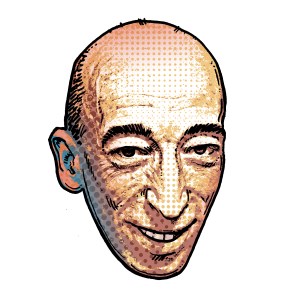
Chilean actor Daniel Emilfork specialised in playing villains during his 50 year career in the film industry. His distinctive face made him a recognisable moody presence in films such as The City of Lost Children (1995), The Devil’s Nightmare (1971), Fellini’s Casanova (1976), and in Roman Polanski’s Pirates (1986). Beyond mainstream films he was able to expand his repertoire when working in theatre, radio, TV and even experimental cinema. He was the manager of Patrice Chéreau’s drama school at the Théâtre des Amandiers.
See an object related to Daniel Emilfork HERE.

Michelle Verneuil (CHANTEURS ET CHANTEUSES)
2 Bd Beaumarchais, 75011 Paris, France
A popular voice of liberated Paris, Michelle Verneuil was a radio star in the late 1940s. Known as ‘The Smiling One’, she went on to release a number of EPs on the Vega label in the 1950s and 60s. Verneuil learned her trade on the cabaret circuit of occupied Paris, at nightspots such as the Le Perroquet au nid. Édith Piaf headlined there during its opening winter season (1942-1943), around the same time as Michelle Verneuil. Later American Eartha Kitt was the headliner at the Le Perroquet.
Concert Pacra (SALLES DE MUSIC-HALL)
10 Bd Beaumarchais, 75011 Paris, France
Opened in 1855 as a neighborhood dance hall, the Concert Pacra was once owned by Aristide Bruant and hosted many singer-songwriters in its time: André Dassary, Charles Aznavour, Georges Brassens, Barbara, Patachou, and Georges Ulmer. In 1962, Pierre Guérin, the director of Bobino, bought out the Pacra family and renamed the venue the Théâtre du Marais. The hall was demolished in 1972 to construct housing.
 Guide to Paris Show Business