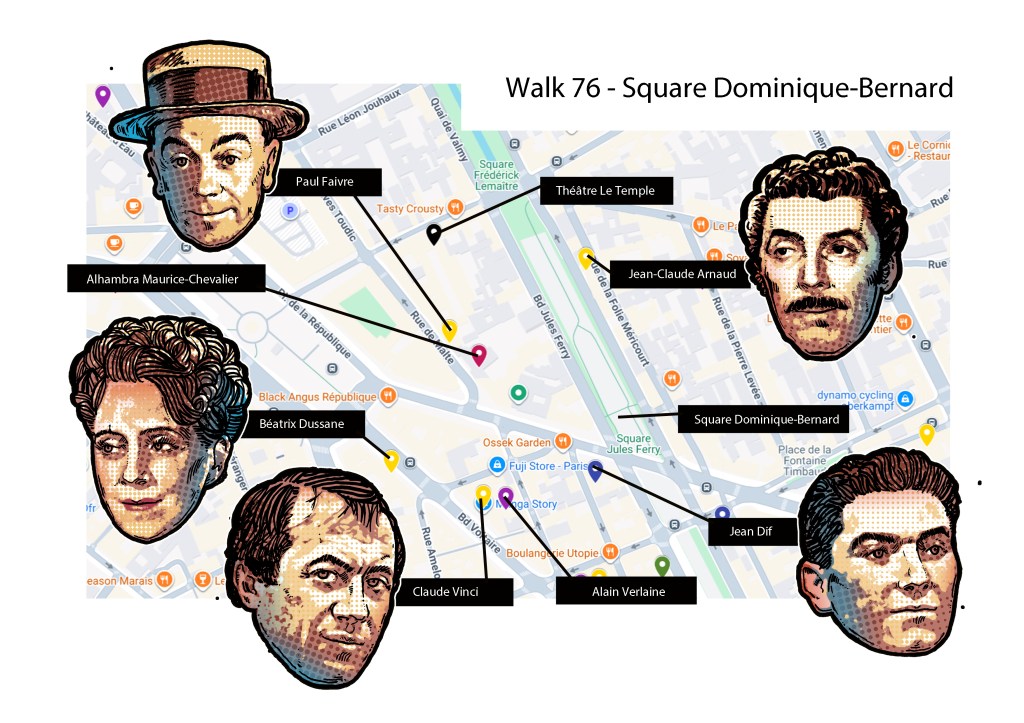
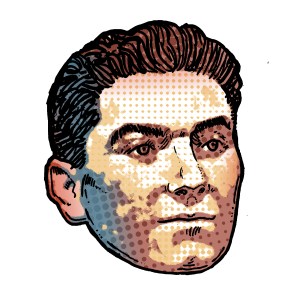
Jean Dif (Poete)
22 Rue du Grand Prieuré, 75011 Paris, France
With a reputation as an unconventional author, Jean Dif’s poetry style and subject matter was romantic, surrealist, realistic, and even classical too. The critics’ described his debut poetry collection, Chansons du Souvenir Futur (1953), as moving from the brilliant to the banal, from the confused to the precise, from the rambling to the concise, with a truly disconcerting nonchalance. A free poet, even an anarchist at heart, Dif was an avid traveler and history enthusiast, writing about the French Revolution and the Napoleonic era.
Square Dominique-Bernard
1 Bd Jules Ferry, 75011 Paris, France
The square is named in honour of Dominique Bernard, a teacher murdered in October 2023 in Arras by a jihadist.
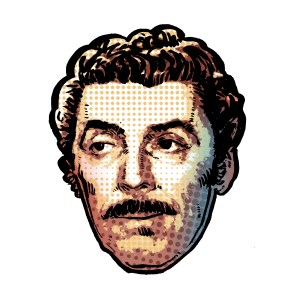
Jean-Claude Arnaud (COMÉDIENS)
101 Rue de la Folie Méricourt, 75011 Paris, France
A fine stage actor, Jean-Claude Arnaud studied at the Centre d’art dramatique de la rue Blanche (1950) then at the Conservatoire national supérieur d’art dramatique (1953 – 1956), where he graduated with a first prize. Upon graduation he joined the Comédie-Française, becoming a member from 1968. With the troupe he had a distinguished and varied career that spanned 20 years. Although he left in 1977, he continued to work in theatre, his final production was in Ray Cooney’s Impair et père at the Théâtre de la Michodière in 2002. Arnaud had a more modest portfolio of appearances on TV and film, but like many actors of his generation he did pop up in an episode of Les cinq dernières minutes.
Théâtre Le Temple / Apollo Théâtre
18 Rue du Faubourg du Temple, 75011 Paris, France
The Apollo Théâtre on Rue du Faubourg du Temple has had many lives since Paris’ first permanent circus opened here in 1782. It was known as the L’Amphithéâtre Anglais back then, and was the brainchild of British cavalry non-commissioned officer Philip Astley, and his partner Antonio Franconi. Since then it has been a 500-seat cinema, the Consortium, then the Templia, Le République, Théâtre Le Temple, and since 2014 the Apollo Théâtre.
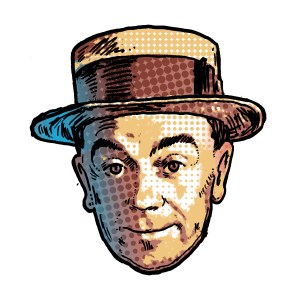
Paul Faivre (COMÉDIENS)
50 ter Rue de Malte, 75011 Paris, France
One of the busiest cinema actors of the 1930s, 40s and 50s, Paul Faivre appeared in more than 180 films during his long career (twenty-eight of them directed by André Berthomieu). Although there was a time when his name graced a film’s poster, all too frequently his was uncredited or relegated to a bit part. Even if audiences didn’t know his name, many recognised him as the prison guard, doctor, bartender, gardener, neighbour, taxi driver, or priest, and he could be relied upon as a familiar face in cafe and restaurant scenes. While living here, Faivre played his final cinema role in Jean Girault’s Les grandes vacances. It was the highest grossing film of 1967, and remains in the top 40 of the most popular French films of all time.
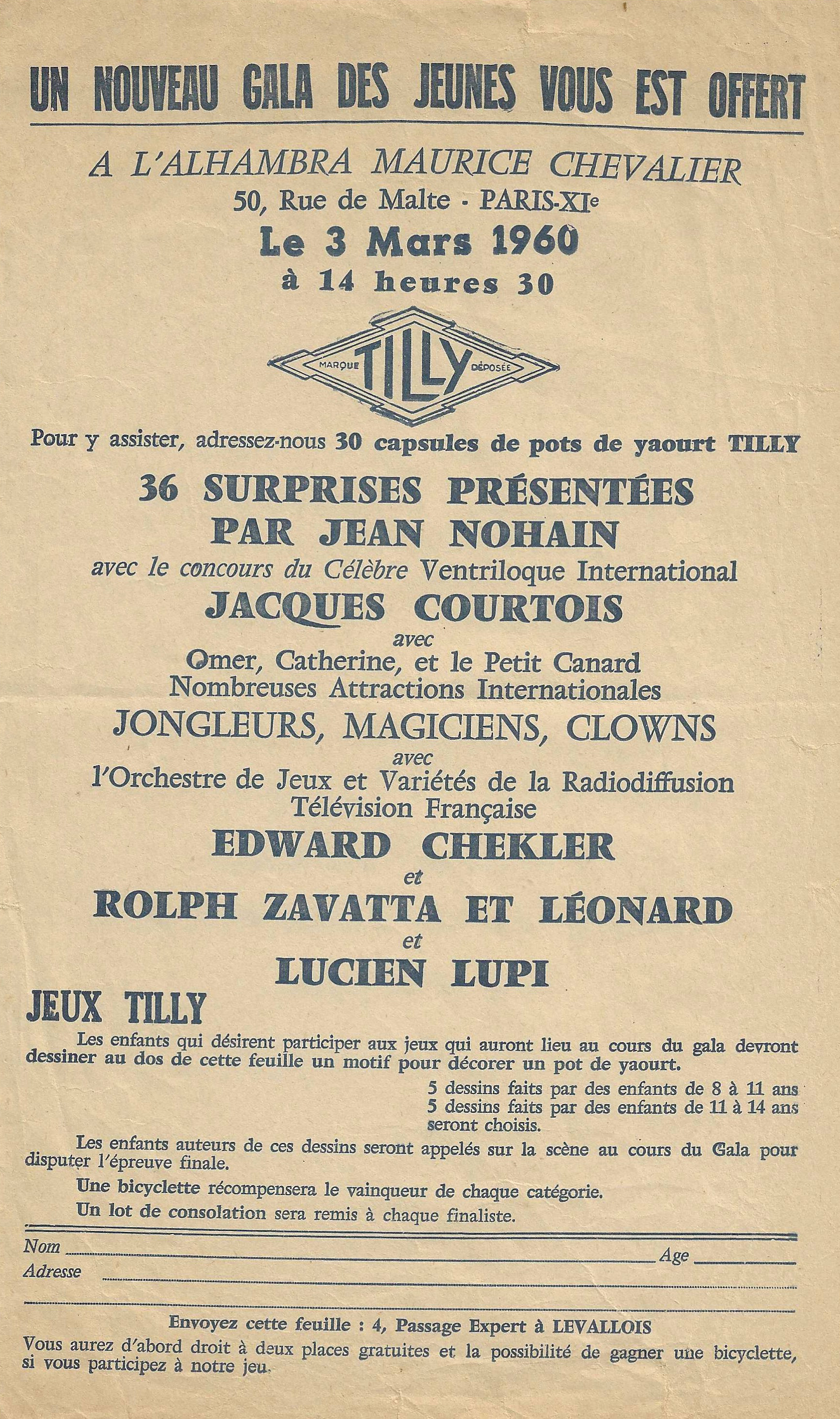
Alhambra Maurice-Chevalier
50 Rue de Malte, 75011 Paris, France
The Alhambra-Maurice Chevalier opened in 1866, and after a long history, and many name changes, was finally demolished in 1967. When the theatre originally opened, it was called the Cirque-Impérial, but would change its name to honour the beloved French actor and singer Maurice Chevalier in 1956. A new Alhambra opened in 2008 at 21 rue Yves-Toudic, 300 metres away from the former Alhambra Maurice-Chevalier.
see an object relating to the Alhambra Maurice-Chevalier HERE.
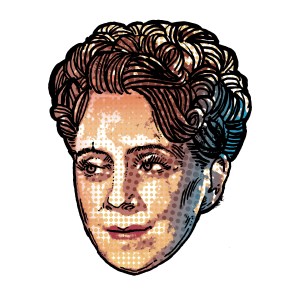
Béatrix Dussane (COMÉDIENNES)
6 Bd Voltaire, 75011 Paris, France
Actress Béatrix Dussane (1888–1969) was a distinguished presence on the French stage, celebrated for her long association with the Comédie-Française. She joined the Comédie-Française in 1903, becoming its 363rd member in 1922 and then an honorary member from 1942. From the 1930s, she devoted increasing energy to teaching at the Conservatoire, guiding a whole generation of France’s future thespians. A respected writer and commentator, she produced radio and television programmes devoted to the history of theatre. She is buried in the Père-Lachaise Cemetery nearby, with her husband, the journalist Edouard Helsey. Dussane is one of the first women to be appointed to the rank of Commandeur de l’ordre des Arts et des Lettres (in 1957). This French honorary decoration is awarded to “people who have distinguished themselves by their creation in the artistic or literary field or by the contribution they have made to the influence of arts and letters in France and in the world”.
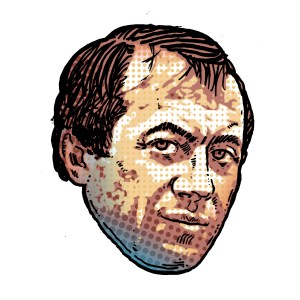
Claude Vinci (CHANTEURS ET CHANTEUSES)
13 Bd Voltaire, 75011 Paris, France
The life and career of singer Claude Vinci changed in 1956, the day he witnessed women and children burned alive by flamethrowers in Algeria. He deserted from the French military soon after and would go on to collaborate with left-wing artists, support workers’ movements, and perform at rallies and cultural festivals in the years to come. Before this pivotal moment he was studying in Paris, and had a burning passion for sports and singing. In the 1960s he performed in Left Bank cabarets such as L’Écluse, Le Port du Salut, L’Échelle de Jacob, La Colombe, Le Cheval d’Or, and La Chanson Galande. Although his repertoire earned him a loyal following with its blend of humour, melancholy, and protest, it limited his mainstream appeal. He was one of the few Left Bank singers of the 1960s to remain a long-term member of the Communist Party.
Alain Verlaine (COMEDIENS)
13 Bd Voltaire, 75011 Paris, France
Actor Alain Verlaine’s time in the theatre was almost entirely as a member of La Guilde de Ménilmontant at the Théâtre de l’Est Parisien. He worked with directors Guy Rétoré and Georges Werler at the Guild from 1965-1979. Rétoré founded the amateur troupe in 1951, performing plays from the classical repertoire, but it wasn’t until the mid 1960s, when Verlaine joined, that there was a distinct transition to a more politically engaged repertoire.
 Guide to Paris Show Business