
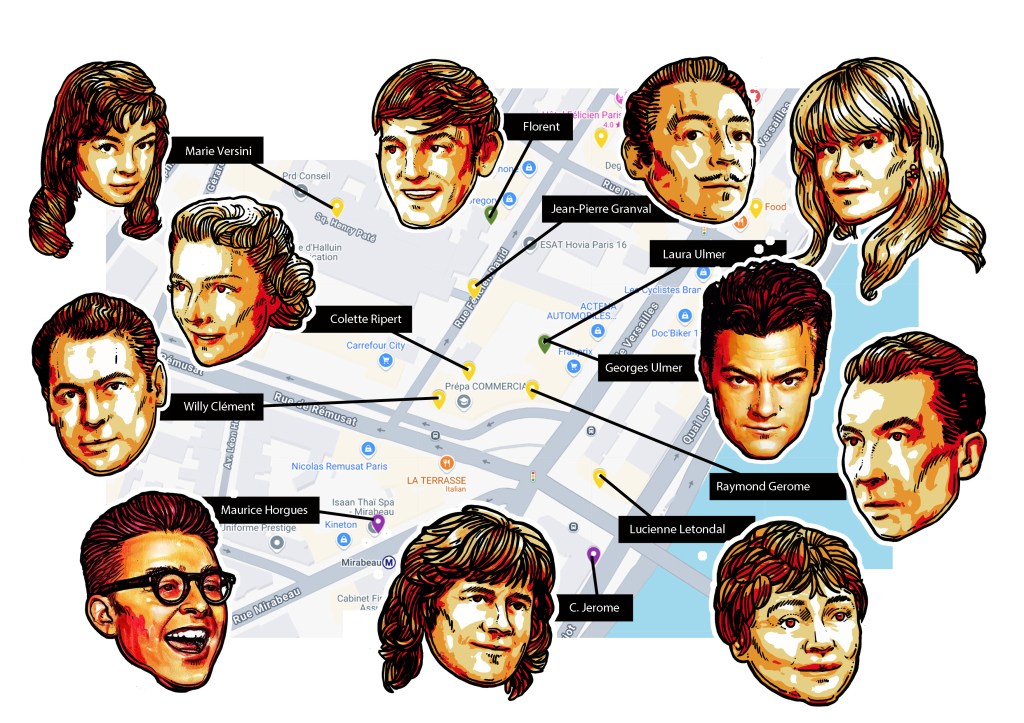
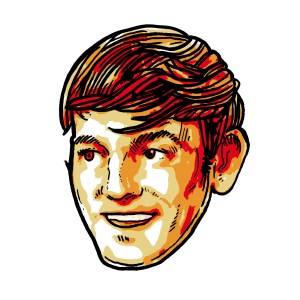
Florent (Florent Veilleux) (CHANTEURS ET CHANTEUSES)
32 Rue Félicien David, 75016 Paris, France
Canadian singer-songwriter and artist Florent Veilleux moved first to Belgium (1963) and then to Paris (1965), emerging as a distinctive voice on the 1960s folk scene. An idiosyncratic author, composer, performer and director for the theatre, he was a winner of the Relais de la Chanson Française in 1966. He recorded several singles during the 1960s and performed at L’Olympia, with the legendary French singers Dutronc, Lama, Hallyday, and Adamo. In 1981 Veilleux returned to Quebec, immersing himself in pataphysics, photography, experimental video, and the creation of absurd luminokinetic machines.
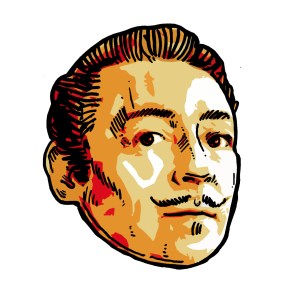
Jean-Pierre Granval (COMÉDIENS)
2 Sq. Henry Paté, 75016 Paris, France
Jean-Pierre Granval was born in Paris, the son of actors Charles Granval and Madeleine Renaud, both prominent members of the Comédie-Française. His mother later married actor-director Jean-Louis Barrault. Although Jean-Pierre Granval’s acting career encompassed both stage and screen, it was in the theatre he will be best remembered, with a career that spanned nearly 40 years. His time on the stage was closely associated with his stepfather, Jean-Louis Barrault, who he first worked with in 1946 at the Théâtre Marigny (Hamlet, and Les Fausses Confidences). He made four films for the cinema and several television films, including the classics: Le Soulier de satin, Harold et Maude, La Cerisaie, La Double inconstance.
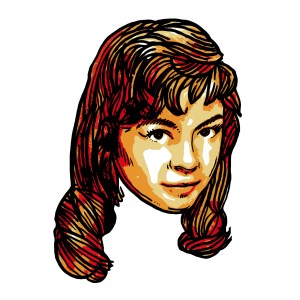
Marie Versini (COMÉDIENNES)
8 Sq. Henry Paté, 75016 Paris, France
Born in Paris, actress Marie Versini was best known for her role as Nscho-Tschi in the 1960s German Winnetou films, based on Karl May’s novels. She studied at the Conservatoire national supérieur d’art dramatique, and at 17 she became the youngest member of the Comédie-Française in 1957. Versini’s film debut was in Mitsou (1956), followed by a significant role in A Tale of Two Cities (1958). Her portrayal of Nscho-Tschi in Winnetou – 1. Teil (La Révolte des Indiens apaches, 1963) brought her widespread fame in Germany. Her multilingual abilities allowed her to work across European cinema, including roles in Paris Blues (1961) and Is Paris Burning? (1966). In 1974, Versini married director Pierre Viallet, with whom she collaborated on several projects until his death in 2013.
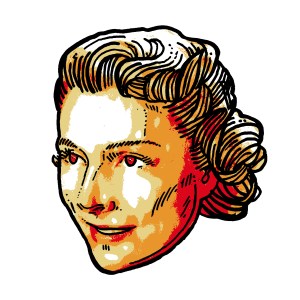
Colette Ripert (COMÉDIENNES)
4 Rue de Rémusat, 75016 Paris, France
Born near Avignon, Colette Ripert studied at the Nice l’ecole de cinema. She made her film debut in a small role in Le soleil a toujours raison (1943) with Tino Rossi, before appearing in two plays by Léopold Marchand; Jeunes fiiles, and Balthazar. She won the Pour Tous film competition in 1946 and broke onto the post war scene with roles in Jean-Paul Sartre’s film Les jeux sont faits, and Le Revizor (ou l’Inspecteur général) at the Théâtre de l’Atelier. Perhaps Ripert is best known to a generation of International students as Tante Georgette, a role she played in the educational television series French in Action (1987), which was designed to teach French language and culture to English-speaking students.
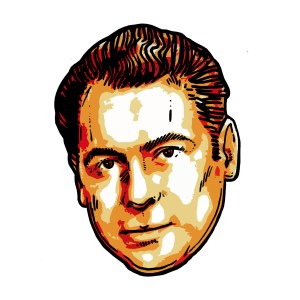
Willy Clément (ARTISTES LYRIQUES)
4 Rue de Rémusat, 75016 Paris, France
Born in Cairo, baritone Willy Clément joined the Opéra-Comique in 1945, making his stage debut as Figaro in The Barber of Seville. It was a role he performed extensively across France, and reprised for France’s first televised opera program in 1946. A pioneer of the French operettas and light opera scene he participated in the French premieres of Benjamin Britten’s The Rape of Lucretia in Mulhouse (1948) and Sergei Prokofiev’s The Love for Three Oranges (1952). Willy Clément passed away while living here, at the tender age of 46.

Raymond Gerome (COMÉDIENS)
2 Pl. de Barcelone, 75016 Paris, France
Belgian actor and director Raymond Gerome was passionate about the theatre, he founded the Jeunesses Théâtrales de Belgique in 1941, then staged numerous plays at the Palais des Beaux-Arts and at the Théâtre National in Brussels, where he was artistic director until 1952. In 1954, he moved to Paris and began a long career in both cinema and theatre, directing plays at the Comédie-Française, Théâtre du Gymnase, Théâtre de la Madeleine and Théâtre Montparnasse. On film he is best known to English speaking audiences for The Brain (1969), The Greengage Summer (1969) and The Day of the Jackal (1971). A skilled dubbing actor, he was the voice of Rex Harrison in the French releases of both My Fair Lady and Doctor Dolittle.
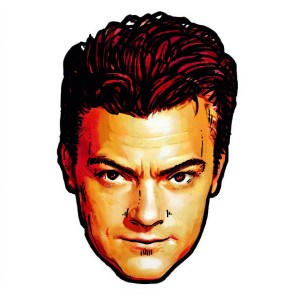
Georges Ulmer (CHANTEURS ET CHANTEUSES)
2 Pl. de Barcelone, 75016 Paris, France
Georges Ulmer was a Danish singer-songwriter and actor whose career flourished in France. He moved at an early age from Denmark to Spain, where he began working acting, writing and composing for the cinema, but it would be in France where he scored his first big hit. Despite being banned from radio broadcasts at the time his immortal Parisian tourist cliché, Pigalle, thrust him into the spotlight. He co-wrote the lyrics of the song in 1944 with Géo Koger and composed the music with Guy Luypaerts. Ulmer divided his career between America and Europe for a long time before settling permanently on the Côte d’Azur where he became the artistic director of the Municipal Casino of Cannes.
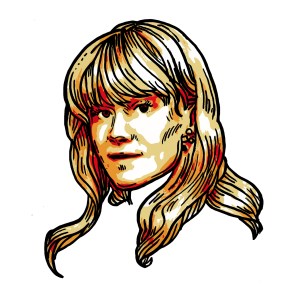
Laura Ulmer (CHANTEURS ET CHANTEUSES)
2 Pl. de Barcelone, 75016 Paris, France
Laura Ulmer, the daughter of singer and actor Georges Ulmer, had a short yé-yé pop career in the late 1960s. Obviously well connected through her father, she released exclusively on the Barclay label from 1965 to 1967. In 1973, she married the actor Jean-Claude Dauphin.
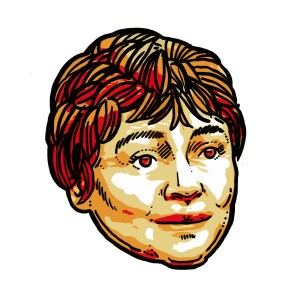
Lucienne Letondal (COMÉDIENNES)
4 Rue de l’Amiral Cloué, 75016 Paris, France
From an influential Canadian family, Lucienne Letondal studied at the Conservatoire national supérieur de musique et de danse in the early 1950s before appearing in Cyrano de Bergerac at the Comédie-Française (Paris). Although she experienced minor successes in theatre and TV, it was her association with poetic works that defined her career. In 1960 she performed poems at the Théâtre de Poche-Montparnasse alongside Henri Rollan, and later Edgar Lee Masters’ Spoon River Anthology at the Biothéâtre Opéra in Paris. Letondal would reach a far wider audience when she performed Paul Valéry’s poem Les Pas on the French television program Numéro Un in 1977.
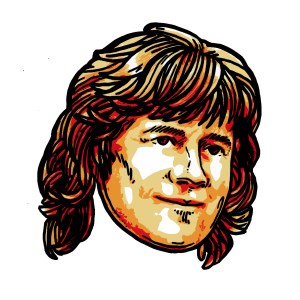
C. Jerome (CHANTEURS ET CHANTEUSES)
64 Quai Louis Blériot, 75016 Paris, France
Singer C. Jérôme (real name Claude Noël Gérard Dhôtel) is best known for his No.1 hit Kiss Me (1971), which sold more than a million copies. At 16, he fronted the rock band Les Storms and later moved to Paris, where he became a regular at the Golf-Drouot and La Locomotive. After the success of Kiss Me, he followed up with C’est moi, and then Et tu danses avec lui in 1985, one of the year’s biggest hits in France. His last major chart success was Derniers baisers in 1986.

Maurice Horgues (CHANSONNIERS)
6 Rue Mirabeau, 75016 Paris, France
Described as the Enfant Terrible of chansonniers, Maurice Horgues was at home on the stage of Théâtre de Dix Heures, Caveau de la République, Deux Ânes and the Théâtre du Coucou, the great dens of laughter. Unlike some of his fellow chansonniers he reached beyond their spiritual home of Montmartre, appearing on the radio on Ce soir on égratigne from 1964-88, and then the Sunday morning L’Oreille en coin. He hosted the Sunday morning slot alongside Anne-Marie Carrière, Jean Amadou, and Jacques Mailhot. It was a melting pot of gags, stories, hoaxes, tales, parodies and imitations, poetry, songs, classical music, philosophical reflections, improvisations and cleverly edited recordings. He wrote several plays and more than 600 songs and monologues including the famous Mec à son volant.
 Guide to Paris Show Business