
Maison de Balzac
47 Rue Raynouard, 75016 Paris
The Maison de Balzac is the only one of the novelist’s Parisian homes that survives today. It was in this pavilion on the hillside of Passy that Balzac wrote La Comédie humaine. The museum displays personal memorabilia of the writer and his family, as well as numerous first editions, manuscripts and illustrations. It is open to visitors from Tuesday to Sunday, from 10 am to 6 pm except on May 1st, December 25th, and January 1st.
Free Entry
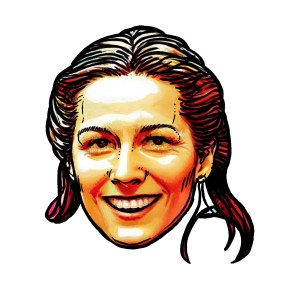
Catherine Hubeau – COMEDIENNES
70 Rue Raynouard, 75016 Paris, France
Actress Catherine Hubeau started her career in television during the 1960s and fought for it to be taken more seriously as an art form throughout her career. Although she was a resident of the Comédie-Française from 1964-1967, one of the highest accolades for any thespian, it was to the small screen that she devoted much of her career. Her film career has been bookended by films from Olivier Nolin, beginning with L’école est finie (1979) and most recently Ombres et Lumières (2017). The early 1970s was a memorable time for Hubeau with multiple appearances on the TV series of Les Rois maudits (1972), Un homme… une ville (1973), L’hiver d’un gentilhomme (1973) and Les Peupliers de la Prétentaine (1975). Regular readers of this website will be pleased to hear, she is another graduate of the legendary Les cinq dernières minutes, a badge of honour for all Parisian actors.
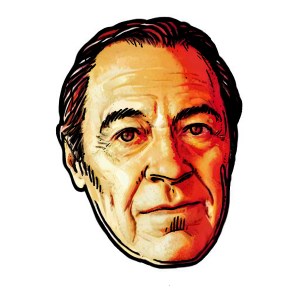
Claude Samuel (PRODUCTEURS ET PRESENTATEURS DE L’O.R.T.F.)
27 Av. de Lamballe, 75016 Paris, France
Music critic and radio personality Claude Samuel was a regular contributor to various newspapers, including Paris-Presse (1961-1970), Le Matin de Paris (1977-1987), L’Express, Le Nouveau Candide (1961-1967), Le Point (1974-1989), and many publications specialising in music. As you’d imagine, living so close to the Maison de la Radio et de la Musique – Radio France, he was a producer at R.T.F. and O.R.T.F., being responsible for more than a thousand broadcasts (1957-2007) on France Culture and France Musique. He was the director of music at Radio France from 1989 to 1996.
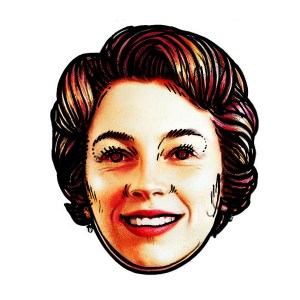
Gabrielle Sainderichin (PRODUCTEURS ET PRESENTATEURS DE L’O.R.T.F.)
26 Av. de Lamballe, 75016 Paris, France
Gabrielle Sainderichin was a producer and host of youth programmes, first on radio and then on television. Often working alongside Jean Nohain, they started their partnership on Radio Luxembourg in the early 1950s, and quickly moved to Paris Inter/France Inter. During the 1960s she was a regular face on television, alongside Jean Nohain and Gilbert Richard. One of the most significant programmes was Le Grand Club, a live bi-monthly show from studio 102 of the nearby Maison de la Radio. Her mother was the actress Simone Jarnac, and her uncle was the composer Philipp Jarnach.
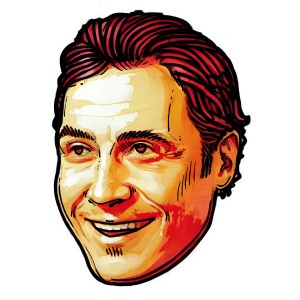
Alain Jerome (PRODUCTEURS ET PRESENTATEURS DE L’O.R.T.F.)
11 Av. de Lamballe, 75016 Paris, France
Journalist Alain Jerome was best-known as the presenter of the TV show Les Dossiers de l’écran from 1967 to 1991. It was a debate show that addressed the major social issues of the 1960s, 70s and 80s. Its format consisted of a film relating to the theme of the evening, followed by a live debate with various guests.
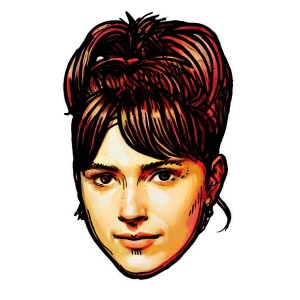
Claude (Agathe Morisse/Agathe Aëms) (CHANTEURS ET CHANTEUSES)
7 Rue d’Ankara, 75016 Paris, France
A glittering future was predicted for the model and actress Agathe Aëms when she made her film debut in Jacqueline Audry’s Les petits matins (Girl on the Road or Hitch-Hike, 1962). In the same year Aëms married Lucien Morisse, the former husband of Dalida. It was here at this address that Lucien Morisse committed suicide, with a gunshot, on September 11th, 1970. Lucien Morisse was the director of the French record label Disc’AZ, he introduced many artists to the French public including Marino Marini, Dalida, Petula Clark, Christophe, and Michel Polnareff. Unfortunately Lucienne’s midas touch didn’t work for his wife, Agathe launched her solo career in 1967 as part of the Barclay stable, but there is very little evidence of its existence. Her music remains one of the hidden gems of the French New Wave. Agathe Aëms real name was Claude Marguerite Françoise Daëms, and she launched her music career using the name Claude. Agathe later married Michel Lancelot and then lawyer Guy Danet.
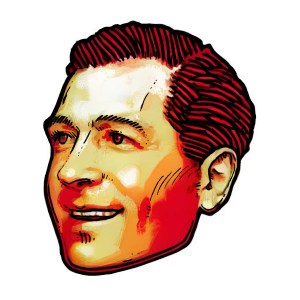
Albert Prejean – COMEDIENS
4 Av. de Lamballe, 75016 Paris, France
Actor Albert Prejean appeared in over 100 films during a 50 year career. During the first half of the 20th Century he was one of the biggest stars of French cinema. Often playing the young leading man he embodied the generous, strong and uncomplicated spirit of France’s working classes. During WW1 he was decorated with the Croix de Guerre and the Legion of Honour. Twenty years later, during WW2, he chose to continue working in the cinema and notably played Commissaire Jules Maigret. It was also the beginning of the end of his popularity. In 1942 he was part of the group of actors who, at the invitation of the Germans, visited the Berlin film studios, and later toured Germany promoting French song and culture. Post war, his behaviour as a collaborator during the Nazi occupation came under scrutiny. His career would never regain its pre-war lustre.
Bernard Woringer (COMÉDIENS)
4 Av. de Lamballe, 75016 Paris, France
A resident of the Comédie-Française from 1958 to 1960, Bernard Woringer played Porthos in the 1961 version of The Three Musketeers directed by Bernard Borderie, alongside Gérard Barray ( D’Artagnan ), Georges Descrières ( Athos ) and Jacques Toja ( Aramis ). He made his theatre debut with the Comédie-Française in Pierre Corneille’s Horace in 1954. On television he appeared in 30 episodes of Bernard Toublanc-Michel’s soap opera Anne, jour après jour. His voice was known to a generation of French TV fans, as a dubbing artist he doubled for Ken Kercheval (Cliff Barnes) in Dallas, Pierce Brosnan (Remington Steele) in The Remington Steele Mysteries, and Jack Shepherd (Charles Wycliffe) in Wycliffe.
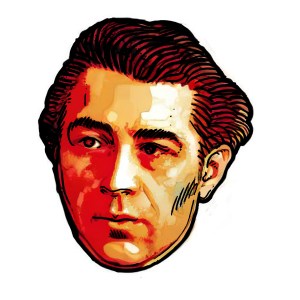
Abel Gance (REALISATEURS DE CINEMA)
2 Av. de Lamballe, 75016 Paris, France
Pioneering director Abel Gance was considered one of the most influential filmmakers of cinema’s avant-garde (or French Impressionism), the French school of the early 1920s which established itself as an innovative spirit within commercial cinema. He is best known for three major silent films: J’accuse (1919), La Roue (1923), and Napoléon (1927). He would return to the Napoleonic theme with the Austerlitz (1960), his last major project, with its international cast and a masterful reconstruction of the famous battle in the studio. He made another historical film with Cyrano et d’Artagnan, in 1963, before moving into television for his final works.
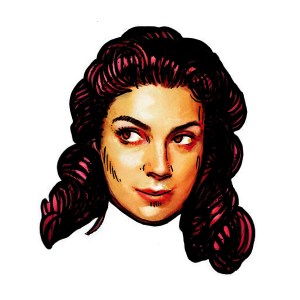
Françoise Spira (COMÉDIENNES)
42 Av. du Président Kennedy, 75016 Paris, France
The tragic loss of actress Françoise Spira to the Parisian stage was a heartfelt blow for audiences and critics alike. Best known for her sensitivity and grace onstage, she committed suicide in Neauphle-le-Château aged just 36. She was the first artist hired by Jean Vilar when he was appointed director of the Théâtre Populaire du Palais de Chaillot. Spira went on to perform with great brilliance, at the Avignon Festival, the role of Chimène, in Le Cid, with Gérard Philippe as partner. She founded the Théâtre Vivant troupe in 1961 and was the director of the Théâtre de l’Athénée Louis-Jouvet from 1962 to 1965. A director of bravery and brilliance, she staged the first French performance of Rolf Hochhuth’s Le Vicaire, a play that criticised the actions of Pope Pius XII and the Catholic Church during WW2. Françoise Spira was married to Claude Planson, the director of the Theatre des Nations.
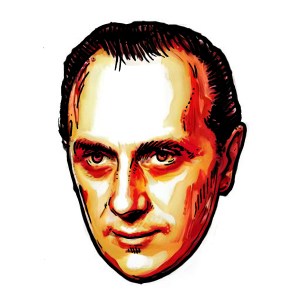
Edmond T Gréville (REALISATEURS DE CINEMA)
34 Av. du Président Kennedy, 75016 Paris, France
French film director and screenwriter Edmond Gréville was born in June 1906 in Nice, France, the adopted son of Franco-British parents. He is best known to British audiences for directing the 1960 teen exploitation drama film Beat Girl (1960) with Gillian Hills and Adam Faith. Edmond Gréville’s first experience of directing had been on the shooting of Abel Gance’s Napoléon in 1927. Abel Gance of course lived just nearby. Before WW2 he directed films both in France and the UK, including Le Train des suicidés (1931) and Under Secret Orders (1937), the English-language version of G. W. Pabst’s Mademoiselle Docteur. He stopped directing films during the Second World War and the Occupation. His last film was L’Accident (1963) with Magali Noël based on a Frédéric David novel. He was the husband of the English actress Wanda MacEwan known as Vanda Gréville (and Wanda Vangen).
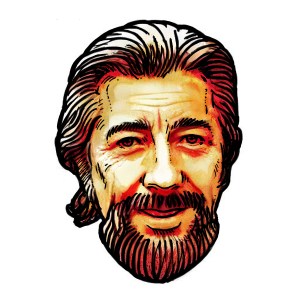
Raymond Lefevre (CHEFS D’ORCHESTRES)
34 Av. du Président Kennedy, 75016 Paris, France
Raymond Lefevre is internationally recognised as one of the giants of the French easy listening scene, alongside fellow orchestra leaders Paul Mauriat and Franck Pourcel. He studied at the Conservatoire national supérieur de musique et de danse de Paris, winning first prize in piano and flute. While competing at Le Coq d’Or de la Musique he met and began a lifelong friendship with Paul Mauriat, the two conductors would work and compose together for several years. During the early 1950s he played the piano and flute with Franck Pourcel’s orchestra. Lefevre worked on the French television programmes Musicorama (1950s) and Palmarés des Chansons (1965 to 1968) accompanying such famous artists as Dalida, Claude François, Richard Anthony, with his own orchestra. He composed several film scores with Louis de Funès, notably in the Gendarme series. A favourite of ours here is the whimsical Douliou-douliou Saint-Tropez. Despite the decline of the easy listening style in Europe, Raymond Lefevre’s music was still popular in Japan, where his records still achieved gold status.
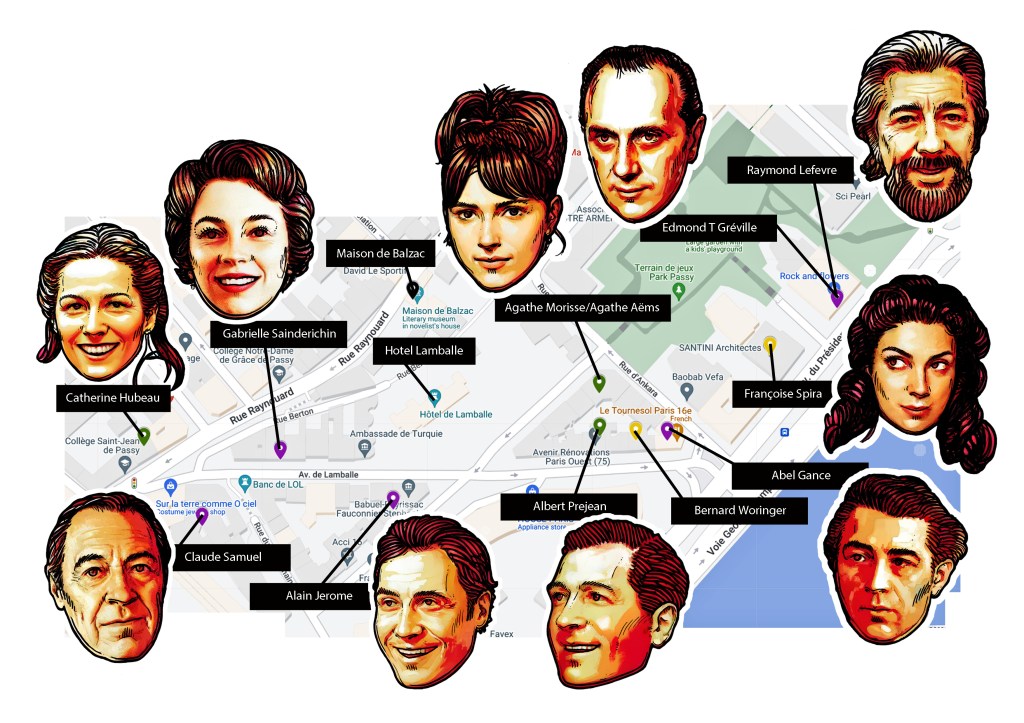
 Guide to Paris Show Business