
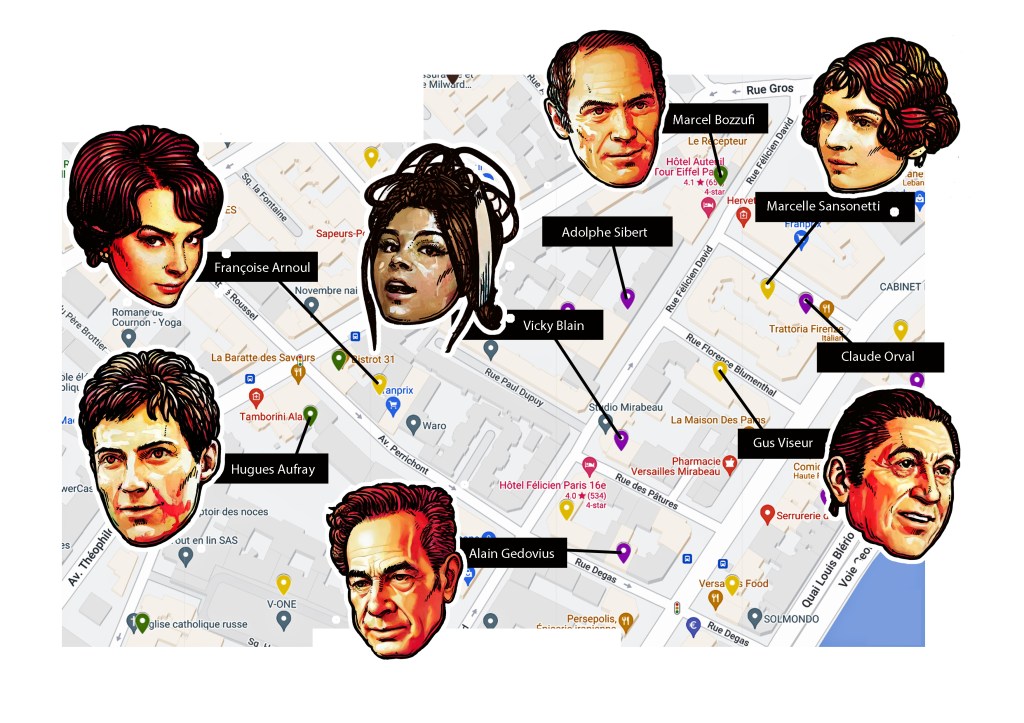
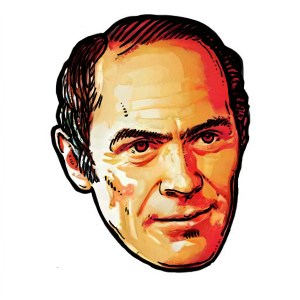
Marcel Bozzufi – COMEDIENS
6 Rue Félicien David, 75016 Paris, France
Actor Marcel Bozzuffi is best remembered by international cinema lovers as the hitman Nicoli, in the Oscar-winning American film The French Connection (with Gene Hackman). He was often cast in the roles of policeman or gangster, but broke away from this “bad guy” label in the 1980s. In 1982 he played Mario, a gay character in Michelangelo Antonioni’s Identification d’une femme. He also directed a film (L’Américain in 1969), as well as three television films, and wrote a collection of short stories. In 1963, he married French actress Françoise Fabian. His deep resonant voice made him a fixture of the dubbing suite, and he was the French voice of several Hollywood actors; Paul Newman, Charles Bronson, Lee Van Cleef, and Robert Duvall.
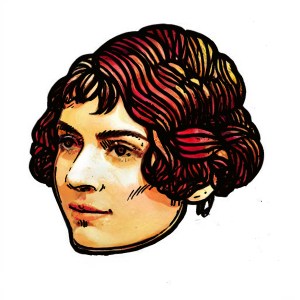
Marcelle Sansonetti (ARTISTES LYRIQUES)
5 Rue Pierre Louys, 75016 Paris, France
Opera singer Marcelle Sansonetti excelled at a young age, achieving first prizes in soljège, piano and singing at the Conservatoire of Marseille. She made her debut as Mimi in Henri Murger’s La Vie de Bohème in 1921. In the 1940s and 50s you could hear her voice on the radio, notably with Willy Clément in Edmond Audran’s Le grand mogol.
Claude Orval (REALISATEURS DE CINEMA)
1 Rue Pierre Louys, 75016 Paris, France
After working as an insurance employee, Claude Orval (real name Gaston Farragut) made his stage debut at the Grand-Guignol in the 1920s. He would write around twenty plays for the same theatre until the end of the Second World War, and also published collections of stories around the same time. At the start of the 1930s, he became interested in cinema and directed Un meurtre a été commis (1938) based on his own screenplay. This film career continued until the mid-1950s when he devoted himself mainly to writing detective novels for the Le Masque collection.
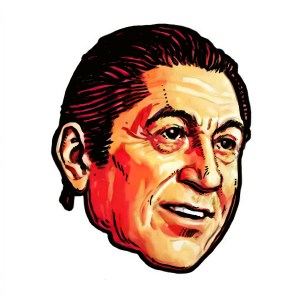
Gus Viseur (Accordeon)
3 Rue Florence Blumenthal, 75016 Paris, France
Pioneer of the jazz accordion, Gus Viseur began performing on the streets, cafés and musette dance halls of Paris. He played with the greatest virtuosos and orchestras of the capital (Médard Ferrero, Ramon Mendizabal, Louis Ferrari), and recorded his first album in 1937, before joining the Hot Club de France. He came to the attention of the wider public after recording “L’Accordéoniste” with singer Édith Piaf in 1940. He toured the United States and Canada in the 1960s, but returned to mainland Europe to open a record shop in Le Havre.
Adolphe Sibert (PRODUCTEURS ET PRESENTATEURS DE L’O.R.T.F.)
14 Rue Félicien David, 75016 Paris, France
Conductor and radio producer Adolphe Sibert lived in Vienna until 1938, where he was the head of Vienna Radio. After the Anschluss he fled Austria and was interned in the Camp des Milles. As a conductor, he led his own orchestra, and was the first permanent conductor of the Orchestre Radio Lyrique of French radio. As a radio producer, Sibert worked for 25 years at France Musique, hosting the shows Du Danube à la Seine, and Concert Promenade.
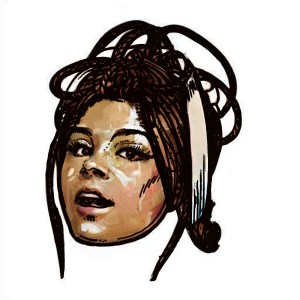
Vicky Blain (CHANTEURS ET CHANTEUSES)
8 Rue des Pâtures, 75016 Paris, France
A pioneer of African music, Vicky Blain was one of the first Gambian musicians who had her music recorded and distributed in Europe during the early 1960s. Her story is intertwined with one of the other trailblazers of the international African sound, Manu Dibango. He worked on many of her music orchestrations and studio recordings, including her 1970 single Black As Night, and her album Chante L’Afrique. She launched her debut single Noels D’Afrique at the Maison de la Radio et de la Musique nearby, with Manu Dibango in attendance and also the Senegalese Ambassador to France, André Guillabert. The pride of her continent, Blain was honoured by Haile Selassie (Emperor of Ethiopia), François Tombalbaye (first President of Chad), and Ahmed Sékou Touré (the first president of Guinea).
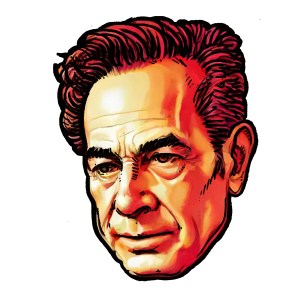
Alain Gedovius (PRODUCTEURS ET PRESENTATEURS DE L’O.R.T.F.)
8 Rue Degas, 75016 Paris, France
Born in Paris, Alain Gedovius studied at the l’Ecole des Arts Appliqués, and exhibited at the Salon des Independants. He joined the Office de Radiodiffusion Télévision Française (ORTF) as a sound recordist in 1957. In 1959 he was assigned to the Army Cinema Service in Paris and Algiers, where he met fellow conscript Yves Robertet. For two years they undertook a unique photographic project, to document the streets, alleys and dead ends of the Casbah of Algiers. The photographs were published recently in the book La Casbah d’Alger 1960 – L’Esprit d’une Ville. Alain Gedovius left the ORTF in 1967 to take over a family run post-production sound business.
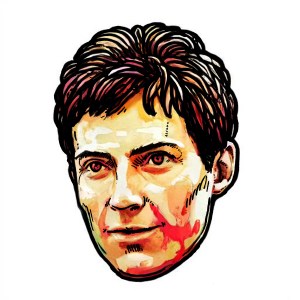
Hugues Aufray (CHANTEURS ET CHANTEUSES)
4 Av. Perrichont, 75016 Paris, France
Singer-songwriter and guitarist Hugues Aufray was discovered by the legendary record producer Eddie Barclay in 1959, while performing at a cabaret. Aufray would go on to record his debut single, Le Poinçonneur Des Lilas, on Barclay’s label that same year. While supporting Peter, Paul and Mary in New York in 1962, he struck up a friendship with Bob Dylan, who would come to visit him in Paris in 1964 (most likely at Aufray’s home at 49 Rue Censier, 75005, he moved here later in the 1960s). It would be a defining moment in his life, with Aufray translating many of Dylan’s songs into French, and introducing his songs to a new generation of French music lovers. In 1964 Hugues Aufray represented Luxembourg in the Eurovision Song Contest and placed fourth with the song Dès que le printemps revient.
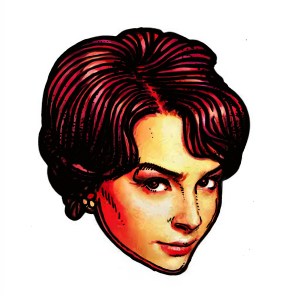
Françoise Arnoul (COMÉDIENNES)
17 Av. Perrichont, 75016 Paris, France
Born in Constantine, French Algeria, Françoise Arnoul was the daughter of stage actress Janine Henry. After studying dance in Rabat and Casablanca, the family moved to France, eventually settling in the 16th arrondissement. After leaving school and studying drama classes in Paris, she made her first film appearance in 1948 in Rendez-vous de juillet by Jacques Becker. She was soon noticed by director Willy Rozier, who offered her a major role in the film L’Épave (1949). She experienced her first real triumphs as an actress in 1955, opposite Jean Gabin in Des gens sans importance by Henri Verneuil and French Cancan by Jean Renoir. Later in life, she moved into television, appearing in various TV movies and mini-series and also turning to character parts. She published her autobiography entitled Animal doué de bonheur in 1995.
 Guide to Paris Show Business